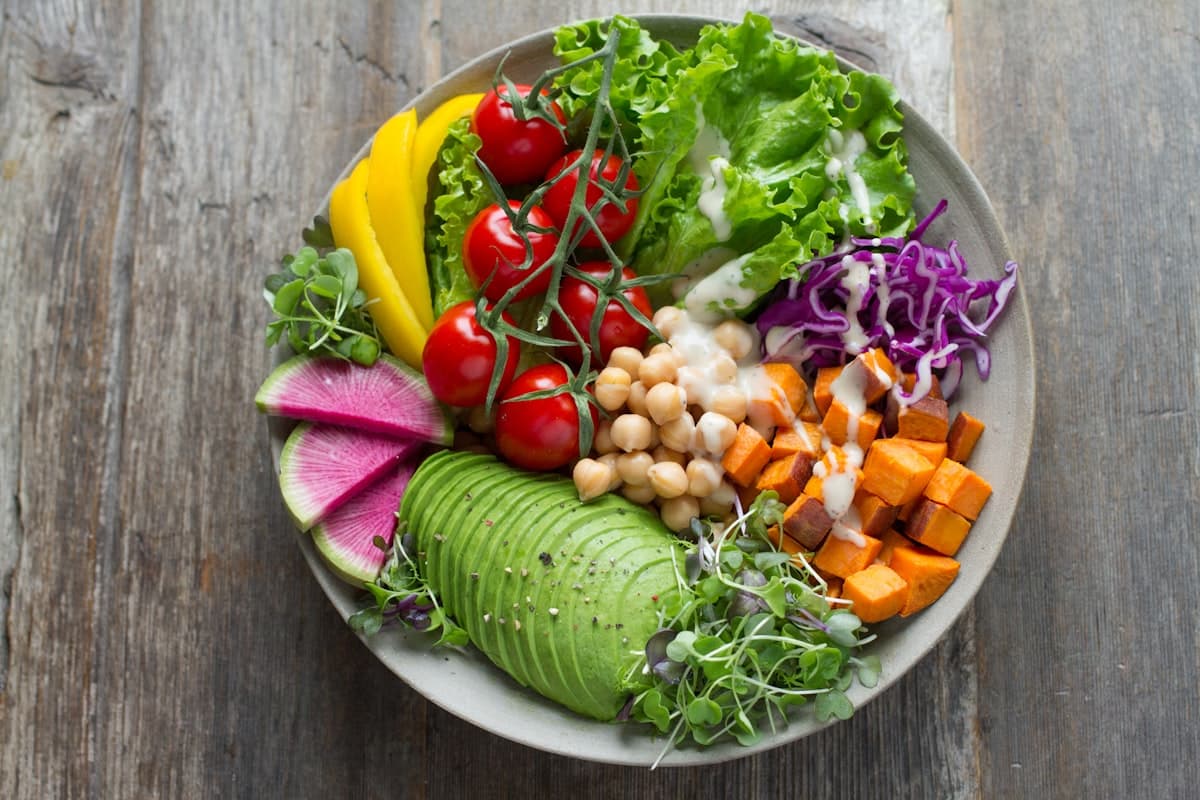
A superfood is a food with exceptionally high nutrient density — delivering multiple vitamins, minerals, antioxidants, or therapeutic compounds in a single ingredient. By this definition, Indian cuisine has always been full of superfoods, long before the word existed. Haldi was anti-inflammatory before curcumin was named. Ghee was gut-healing before butyric acid was discovered. Methi was managing blood sugar before galactomannan was studied. The problem is not that Indian food lacks superfoods — it is that modern Indian diets are replacing them with refined, packaged alternatives.
Here is a practical guide to 10 superfoods already in your kitchen — and exactly how to use them every day.
1. Turmeric (Haldi)
Curcumin, the active compound in turmeric, is one of the most studied anti-inflammatory molecules in nutrition research. It reduces C-reactive protein (CRP), a key marker of systemic inflammation linked to PCOS, heart disease, metabolic syndrome, and joint pain.
The absorption problem: curcumin alone is poorly absorbed. It needs two things: black pepper (piperine increases curcumin bioavailability by 2,000%, per Shoba et al., Planta Medica (1998)) and fat. The traditional Indian practice of cooking haldi in ghee or oil is scientifically perfect.
How much: half to one teaspoon daily in cooking is sufficient. You do not need curcumin supplements if you are using haldi consistently in food.
Best uses: dal, sabzis, khichdi, haldi doodh (golden milk) with a pinch of black pepper, kadha during illness.
2. Amla (Indian Gooseberry)
Amla has more Vitamin C per gram than almost any food on earth — roughly 20 times more than an orange. What makes it special is that its tannin content protects the Vitamin C even when heated, unlike most fruits where Vitamin C degrades with cooking.
Benefits: immunity support, hair strength (amla is genuinely effective for hair — not just marketing), liver function, cholesterol reduction, and powerful antioxidant activity.
Blood sugar management: amla has been shown in studies to reduce postprandial glucose spikes when eaten with meals. It contains chromium, which enhances insulin action.
How to use: 1-2 fresh amla per day (the ideal), amla juice (10-20 ml on empty stomach), dried amla powder added to smoothies or curd, amla candy or murabba (watch the sugar content in commercial versions).
Best time: morning on an empty stomach for maximum liver and digestion benefits.
3. Ghee
Ghee has been rehabilitated by modern nutrition science after decades of being unfairly villainized. It is not the heart-disease risk it was made out to be when consumed in appropriate amounts.
What makes ghee a superfood: butyric acid (a short-chain fatty acid that feeds colonocytes — the cells lining your colon), fat-soluble vitamins A, D, E, and K, and a high smoke point that makes it chemically stable for cooking unlike many vegetable oils that oxidize at high heat.
The right amount: 1-2 teaspoons daily for most adults. More if you are underweight, doing heavy physical work, or elderly. Less if you are managing obesity or cardiovascular disease.
For cooking: ghee is one of the safest fats to cook with at high temperatures. Sunflower and refined oils break down into harmful compounds when overheated. Ghee does not.
The traditional wisdom: a small amount of ghee on dal-chawal or roti is not excess fat — it completes the nutritional profile of the meal.
4. Moong Dal (Split Green Gram)
Moong dal is the most digestible protein in the Indian diet. It provides approximately 24 grams of protein per 100 grams dry weight, with an amino acid profile that is more complete than most other legumes. It is low in fat, high in fiber, and has an anti-inflammatory effect.
Why it is a superfood: its digestibility makes it suitable for everyone — post-surgery patients, the elderly, children, sick people, pregnant women. When other foods are hard to digest, moong dal is always safe.
The sprouting advantage: sprouted moong dal increases its nutrient bioavailability, as germination reduces phytate content and improves antioxidant activity, per germination studies on mung bean sprouts. Iron absorption improves significantly when eaten with a Vitamin C source (lemon, tomato). B vitamins increase during sprouting.
How to use daily: yellow moong dal for lunch (the simplest preparation), sprouted moong for breakfast chaat or salad, moong dal khichdi when you are unwell or need easy digestion, moong dal chilla as a high-protein breakfast alternative.
5. Methi (Fenugreek)
Methi is one of the most therapeutically powerful foods in the Indian kitchen, and one of the most underused.
Blood sugar management: methi seeds contain galactomannan, a soluble fiber that specifically slows glucose absorption from the gut. Multiple studies show that 5-10 grams of methi seeds daily can meaningfully reduce fasting blood glucose and postprandial glucose spikes in both diabetics and pre-diabetics.
PCOS and hormonal health: methi contains phytoestrogens (compounds similar in structure to estrogen) and specifically 4-hydroxyisoleucine, an amino acid that enhances insulin-stimulated glucose uptake. For PCOS patients dealing with insulin resistance, methi is one of the most clinically useful dietary additions available.
How to use: soaked methi seeds — soak 1 teaspoon in a small glass of water overnight, eat the seeds and drink the water on an empty stomach in the morning. Fresh methi leaves in saag or paratha. Kasuri methi (dried fenugreek leaves) added to dal or sabzi at the end of cooking.
6. Rajma (Kidney Beans)
Rajma is one of the most complete plant-based protein sources in Indian cooking — approximately 22 grams of protein per 100 grams dry weight. Combined with rice, it provides a complete amino acid profile (the two foods complement each other's amino acid gaps), making rajma chawal one of the most nutritionally complete traditional meals in North Indian cuisine.
The fiber advantage: rajma contains both soluble and insoluble fiber. Soluble fiber feeds beneficial gut bacteria and lowers LDL cholesterol. Insoluble fiber prevents constipation and maintains gut motility.
For blood sugar management: despite being a legume with carbohydrates, rajma has a very low glycemic index (28-40 depending on preparation). The combination of protein, fiber, and resistant starch means it releases glucose extremely slowly — excellent for diabetics and PCOS patients.
The iron absorption hack: rajma is a good non-heme iron source, but non-heme iron requires Vitamin C for optimal absorption. Always eat rajma with lemon juice, tomato, or a fresh vegetable salad on the side.
7. Dahi (Curd/Yogurt)
India has been making curd for at least 5,000 years, and it remains one of the best probiotic foods available. Traditional homemade dahi contains multiple Lactobacillus strains including L. acidophilus, L. bulgaricus, and L. helveticus — strains suited to the Indian gut microbiome.
Probiotic benefits: improves digestion, reduces bloating and gas, enhances immunity (70% of the immune system resides in the gut), reduces symptoms of irritable bowel syndrome, and may reduce the risk of certain infections.
For specific conditions: PCOS patients — dahi supports gut health which is directly linked to hormone metabolism. Thyroid patients — gut dysbiosis affects T4 to T3 conversion. Diabetics — specific Lactobacillus strains improve insulin sensitivity.
The chaas advantage: buttermilk (chaas) is more digestible than dahi because the churning process denatures some proteins and the dilution makes it lighter. Ideal after heavy meals in summer.
How to use optimally: plain dahi (not flavored, not sweetened) with lunch. Chaas as an afternoon drink. Homemade dahi is significantly better than commercial packaged yogurt in probiotic count and strain diversity.
8. Drumstick (Moringa / Sahjan)
Moringa is called a superfood because its nutritional density is genuinely remarkable: it contains 7 times more Vitamin C than oranges, 4 times more calcium than milk, 3 times more potassium than bananas, and 2 times more protein than yogurt. The drumstick pods used in sambar are the most familiar form, but the leaves are even more nutritious.
Anti-inflammatory and blood sugar effects: moringa contains isothiocyanates and quercetin, potent anti-inflammatory compounds. Several studies show it reduces fasting blood glucose by inhibiting specific enzymes involved in carbohydrate digestion.
How to use in Indian cooking: drumstick pods in sambar (South Indian tradition) or dal (North Indian version). Moringa leaves sauteed with garlic and mustard seeds as a saag. Dried moringa powder (1/2 to 1 teaspoon) added to smoothies, dal, or parathas for the densest nutrition delivery.
9. Coconut (Fresh, Water, and Oil)
Coconut in its various forms is a legitimate superfood, though it has been wrongly demonized due to its saturated fat content. The saturated fat in coconut is primarily medium-chain triglycerides (MCTs), which are metabolized differently from long-chain saturated fats — they go directly to the liver for energy rather than being stored.
Coconut water: the most natural electrolyte drink available. Contains sodium, potassium, magnesium, and phosphorus in a ratio closer to the body's own fluids than any commercial sports drink. Excellent for rehydration in summer, after exercise, or during illness.
Fresh coconut: provides MCTs, which have antimicrobial properties and support brain function. Adding fresh grated coconut to chutneys or sabzis is an easy way to incorporate healthy fat into meals.
Coconut oil for cooking: a stable fat at high temperatures, good for South Indian cooking where it is traditional. Not necessary for North Indians to switch to it, but a reasonable option if using a good quality cold-pressed version.
10. Flaxseeds (Alsi)
Flaxseeds are the richest plant-based source of alpha-linolenic acid (ALA), the plant form of omega-3 fatty acids. This makes them particularly valuable for vegetarians and those who do not eat fish.
Why they matter for common Indian conditions: PCOS — flaxseeds contain lignans that specifically modulate estrogen metabolism, helping reduce the androgen excess that drives PCOS symptoms. High cholesterol — soluble fiber from flaxseeds reduces LDL cholesterol. Constipation — the mucilage fiber in flaxseeds is one of the most effective natural laxatives available.
The critical rule: flaxseeds must be ground to be absorbed. Whole flaxseeds pass through the digestive tract largely intact. Grind in a small coffee or spice grinder, store in the fridge, and use within a week.
How to use daily: 1-2 tablespoons of ground flaxseed stirred into curd, added to smoothies, mixed into atta for roti (replace 2 tablespoons of atta per batch), or sprinkled over oatmeal or poha.
How do I build a sustainable daily superfood habit?
The mistake most people make with superfood lists is trying to add everything at once and then abandoning it all within a week. Pick two or three items from this list and add them consistently for one month. Then add more.
A simple daily routine using these 10 superfoods:
Early morning: Methi water (soaked overnight) + 2 amla
Breakfast: Moong dal chilla with moringa powder added to the batter, coconut chutney on the side
Lunch: Rajma or moong dal + roti with a small amount of ghee + any sabzi + dahi
Evening: Ground flaxseeds stirred into curd, handful of mixed nuts
Dinner: Turmeric and drumstick dal or methi sabzi
This is not a special diet. It is ordinary Indian food — just intentionally assembled. Every item is available in your local kirana store or sabzi mandi.
Are Indian superfoods better than imported supplements?
The Indian traditional diet is one of the most nutritionally dense in the world. The problem is not what Indian food contains — it is what modern Indian diets have replaced it with: refined flour, packaged snacks, seed oils, and sugar. Returning to the traditional ingredients above is the most effective superfood strategy available, and it costs less than a single "superfood supplement" from a Western wellness brand.
Frequently asked questions about Indian superfoods
**Do I need to take curcumin supplements if I already cook with turmeric?** No. Half to one teaspoon of turmeric used daily in cooking — with a pinch of black pepper and cooked in oil or ghee — delivers bioavailable curcumin consistently. Supplements use isolated curcumin in higher doses, but the cooking method addresses the key absorption limitation (fat + piperine). Daily cooking use is the more sustainable and cost-effective approach.
**Is ghee really healthy or is it marketing?** Ghee is genuinely healthy in appropriate amounts — 1-2 teaspoons daily. Its butyric acid content feeds colonocytes (gut lining cells), its fat-soluble vitamins (A, D, E, K) are absorbed more efficiently than in low-fat alternatives, and it is chemically stable at high cooking temperatures unlike many refined vegetable oils. Excessive ghee (4+ teaspoons daily) adds significant saturated fat. Moderate ghee is therapeutic; excess is not.
**What is the best way to take flaxseeds?** Ground, not whole. Whole flaxseeds pass through largely undigested. Grind 1-2 tablespoons in a small coffee or spice grinder, store in the fridge, and use within a week (ground flaxseeds oxidize faster than whole). Stir into dahi, add to atta when making roti, or mix into smoothies. The omega-3 and lignan content is only bioavailable from ground seeds.
**How much amla should I eat daily?** One to two fresh amla per day is ideal. If fresh amla is unavailable, 10-20 ml of amla juice on an empty stomach, or 1 teaspoon of dried amla powder in warm water, provides similar benefit. Avoid sweetened commercial amla products — the added sugar reduces the therapeutic value.
**Can methi seeds be taken daily long-term?** Yes — 1 teaspoon of soaked methi seeds daily is safe for long-term use and beneficial for blood sugar, PCOS, and cholesterol. People on blood-thinning medications should consult their doctor before starting regular methi supplementation, as fenugreek has mild anticoagulant properties.
Plans for this condition
Ongoing dietitian support, built around the food you already eat.